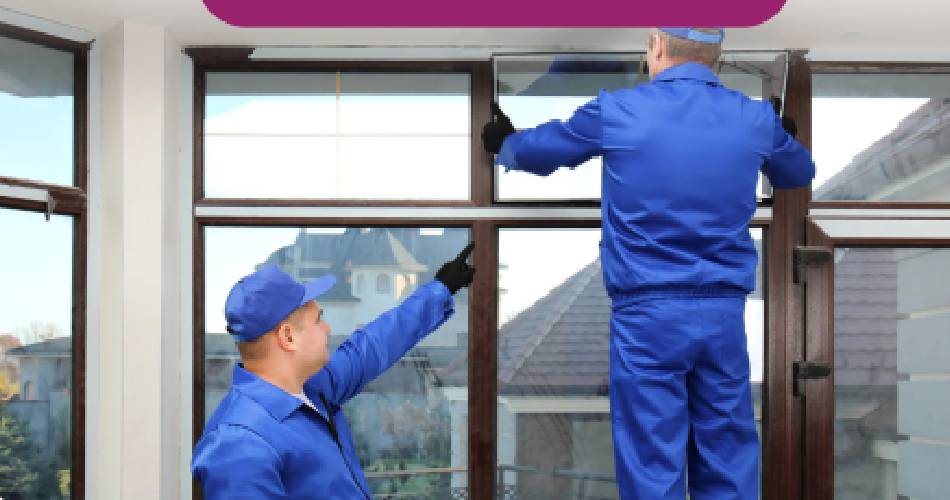
Replacing your home's windows is one of the most effective ways to improve energy efficiency, comfort, curb appeal, and overall property value. Whether your existing windows are outdated, damaged, or no longer providing adequate insulation, investing in new windows can deliver long-term benefits. Before starting your project, it's important to understand the factors that influence window replacement costs so you can create a realistic budget and make informed decisions. The overall cost of replacing windows depends on several key factors, including the type of window, frame material, glass features, installation complexity, and the total number of windows being replaced. Every home is unique, which means no two window replacement projects are exactly the same. Understanding these variables allows homeowners to prioritize features that provide the greatest value for their investment.
Window style is one of the biggest factors affecting your budget. Standard window designs are generally more affordable because they are easier to manufacture and install. Larger or specialty windows with unique shapes or custom designs typically require additional materials and labor, increasing the overall project cost. Selecting a window style that balances functionality, appearance, and efficiency can help keep your renovation within budget. The material used for the window frame also plays an important role in determining overall expenses. Vinyl frames are popular because they are durable, low-maintenance, and energy efficient. Wood frames provide a classic appearance and excellent insulation but usually require more maintenance over time. Fiberglass offers outstanding durability and weather resistance, while aluminum frames provide a sleek, modern look with long-lasting performance. Each material has its own advantages, and choosing the right one depends on your home's style, climate, and maintenance preferences.
Modern glass technology can significantly improve comfort and energy efficiency. Double-pane and triple-pane glass, low-emissivity coatings, insulated gas fills, and impact-resistant glass all enhance window performance by reducing heat transfer, minimizing outside noise, and increasing durability. Although upgraded glass options may require a larger initial investment, they often contribute to lower energy consumption and greater comfort throughout the year. Installation requirements are another major consideration when planning a window replacement project. Straightforward replacements that fit existing openings are generally less complicated than projects requiring structural modifications or resizing. Homes with aging frames, water damage, or insulation issues may require additional repairs before new windows can be installed. Accessibility, building height, and architectural design can also influence installation time and labor requirements.
Replacing multiple windows during the same project can often improve efficiency and provide a more consistent appearance throughout the home. Homeowners planning a complete renovation may benefit from replacing all windows at once, while others may choose to complete the project in phases based on budget and priorities. Evaluating which windows need immediate attention can help create a practical replacement plan without sacrificing long-term goals. Energy-efficient windows are an excellent investment for homeowners looking to improve indoor comfort while reducing heating and cooling demands. Advanced window technologies help maintain consistent indoor temperatures, minimize drafts, and reduce strain on HVAC systems. Choosing energy-efficient products can contribute to lower utility bills and support a more sustainable home environment over time. When creating your budget, it's important to consider more than just the windows themselves. Additional expenses may include removing old windows, preparing existing openings, repairing damaged framing, improving insulation, replacing trim, finishing interior or exterior surfaces, and disposing of construction materials. Planning for these potential costs helps prevent unexpected surprises during the renovation process.
Selecting an experienced and qualified installation professional is just as important as choosing high-quality windows. Proper installation ensures optimal performance, prevents air and water leaks, and extends the lifespan of your investment. Comparing multiple estimates, reviewing warranties, and researching contractor experience can help you make a confident decision while ensuring quality workmanship.